
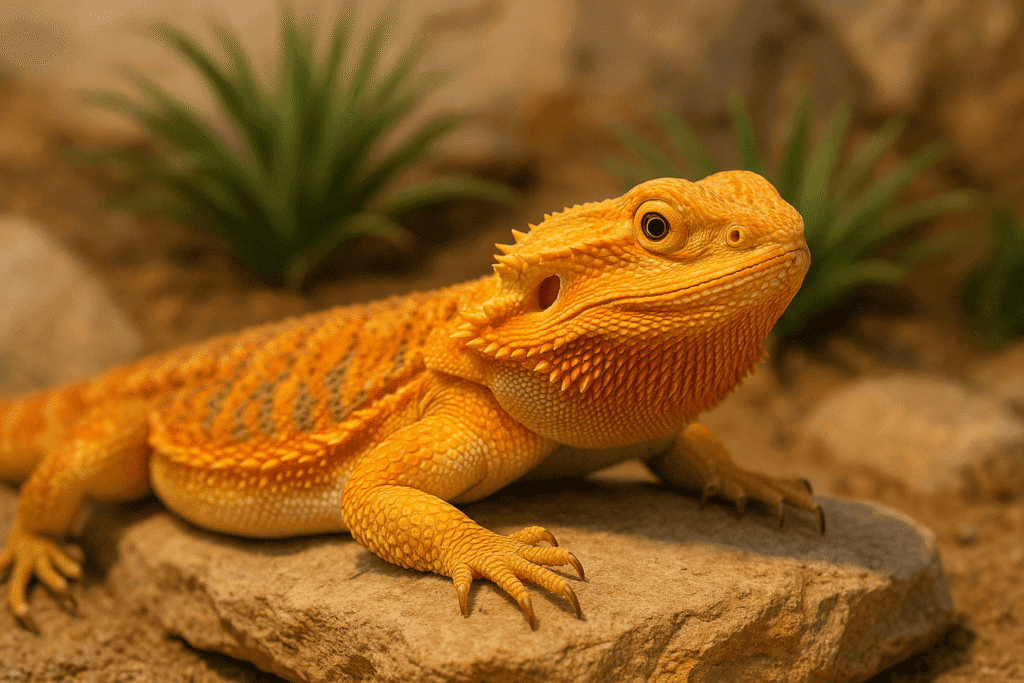
Introduction: Why Bearded Dragons Make Amazing Pets
If you’re looking for a reptile that’s friendly, handleable, and full of personality, bearded dragons might be your perfect match. These Australian natives have become one of the most popular pet reptiles in the world—and for good reason.
My bearded dragon, Spike, greets me every morning by “waving” (yes, it’s a real behavior!) and bobbing his head. He loves basking under his heat lamp, chasing crickets like a tiny dinosaur, and sitting on my shoulder while I work. He’s curious, surprisingly affectionate for a reptile, and endlessly entertaining.
But here’s the truth: bearded dragons aren’t low-maintenance pets. They need specific lighting, temperature control, a varied diet, and a properly sized enclosure. Get these things wrong, and your beardie can develop serious health problems like metabolic bone disease or impaction.
In this guide, I’ll walk you through everything you need to know to give your bearded dragon the best possible care. Whether you’re considering getting your first beardie or you’ve just brought one home, this guide will help you avoid common mistakes and set up your dragon for a long, healthy life.
By the end of this guide, you’ll understand:
- How to set up the perfect bearded dragon habitat
- What lighting and temperatures bearded dragons need
- How to feed your beardie a balanced diet
- How to handle health issues and warning signs
- Daily care routines and bonding tips
Let’s dive in.
Understanding Bearded Dragons: What Makes Them Special
Bearded dragons (Pogona vitticeps) are medium-sized lizards native to the arid regions of Australia. They get their name from the “beard” of spiky scales under their chin, which they puff out when threatened or displaying dominance.
Why bearded dragons are great pets:
1. Friendly and Handleable
Unlike many reptiles, bearded dragons generally tolerate (and even enjoy!) human interaction. With regular handling, they become quite tame.
2. Diurnal (Awake During the Day)
Bearded dragons are active when you are, making them much more interactive than nocturnal reptiles.
3. Moderate Size
Adults typically reach 16-24 inches in length, making them manageable but still impressive.
4. Long Lifespan
With proper care, bearded dragons can live 10-15 years. That’s a serious commitment, but it means years of companionship.
5. Communicative
Bearded dragons display fascinating behaviors like arm waving (submission), head bobbing (dominance), beard puffing, and color changes.
What you need to know before getting one:
- Initial setup costs $300-500+ (tank, lights, heating, decor)
- Ongoing costs $30-50/month (food, electricity for lighting/heating, substrate)
- Daily feeding and care required (especially for juveniles)
- Vet care can be expensive (find a reptile veterinarian before you need one)
- They need specific UVB lighting (non-negotiable for their health)
If you’re ready for that commitment, bearded dragons make incredible pets. Spike has taught me more about reptile behavior and care than I ever imagined, and watching him thrive is incredibly rewarding.
Setting Up the Perfect Bearded Dragon Habitat
Getting the enclosure right is THE most important part of bearded dragon care. This is where your beardie will spend 99% of their life, so it needs to meet all their biological needs.
Tank Size Requirements
Juveniles (under 10 inches): 20-40 gallon tank minimum
Sub-adults (10-16 inches): 40-75 gallon tank
Adults (16+ inches): 75-120 gallon tank minimum (4 feet long ideal)
Many people start with a smaller tank and upgrade as their beardie grows, but if you can start with an adult-sized enclosure (75+ gallons), that’s even better. Bearded dragons grow quickly in their first year.
Pro tip: Go for a longer, wider tank rather than tall. Bearded dragons are ground-dwellers and climbers, so floor space matters more than height.
When I first got Spike as a juvenile, I made the mistake of keeping him in a 20-gallon tank for too long. He seemed cramped and stressed. After upgrading to a 75-gallon, his personality completely changed—more active, more relaxed, better appetite. Tank size matters.
Substrate (What to Put on the Bottom)
This is controversial in the reptile community, but here’s what works:
SAFE OPTIONS:
- Tile or slate: Easy to clean, holds heat well, no impaction risk (my choice for Spike)
- Reptile carpet: Washable, safe, but can snag claws
- Paper towels or newspaper: Cheap, easy to replace, good for juveniles
AVOID:
- Sand: Despite being “natural,” sand causes impaction (digestive blockage) when ingested
- Wood chips or bark: Impaction risk and can harbor bacteria
- Calcium sand: Marketed as “digestible” but still causes problems
I use ceramic tile for Spike’s enclosure. It looks natural, is easy to clean, and provides a solid surface for his joints. Plus, he loves basking on the warm tiles.
Temperature Zones (Critical!)
Bearded dragons are ectothermic (cold-blooded), meaning they regulate their body temperature through their environment. You MUST provide a temperature gradient.
Temperature requirements:
Basking Spot: 95-110°F (juveniles need hotter; adults prefer 95-105°F)
Cool Side: 75-85°F
Nighttime: 65-75°F (room temperature is fine; don’t use heat at night unless it drops below 65°F)
How to achieve this:
- Basking bulb: Use a halogen flood bulb or basking bulb (75-100 watts) on one side of the tank
- Cool side: No heat source—natural room temperature
- Thermometers: Use digital thermometers with probes (one at basking spot, one on cool side)
- Thermostat: Controls basking bulb to prevent overheating
The basking spot is where your beardie will spend much of the day, absorbing heat and UVB. Make sure it’s positioned under both the heat bulb and UVB light.
UVB Lighting (NON-NEGOTIABLE!)
This is the #1 thing people get wrong, and it leads to metabolic bone disease (MBD), a devastating condition.
Why UVB matters:
Bearded dragons need UVB light to synthesize vitamin D3, which allows them to absorb calcium. Without proper UVB, they develop MBD—soft bones, deformities, seizures, and death.
What you need:
Option 1: Linear fluorescent UVB tube (BEST)
- ReptiSun 10.0 T5 HO (22-24 inches for a 40-gallon tank, 34-36 inches for larger)
- Arcadia 12% Desert tube
- Position 12-18 inches above basking spot
- Replace every 6-12 months (they stop producing adequate UVB even if still lit)
Option 2: Compact UVB bulb (less ideal)
- ReptiSun 10.0 compact bulb
- Must be positioned 6-8 inches from basking spot (very close!)
- Replace every 6 months
I use a ReptiSun 10.0 T5 HO tube for Spike, and it’s been a game-changer. His activity levels, appetite, and overall health improved dramatically once I upgraded from a compact bulb.
Lighting schedule:
- 12-14 hours of light per day (use a timer for consistency)
- Turn off all lights at night (bearded dragons need darkness to sleep)
Enclosure Setup and Decor
What your beardie needs:
- Basking platform: Flat rock, log, or reptile hammock positioned under heat/UVB
- Hiding spots: At least one cave or hide on the cool side (for security and sleep)
- Climbing structures: Branches, rocks, or reptile decor (bearded dragons love to climb!)
- Water dish: Shallow dish for drinking and occasional soaking (change daily)
- Food dish: For vegetables (use a shallow, sturdy dish)
Spike loves his basking rock (a flat piece of slate) and his driftwood branch. He climbs to the highest point in his enclosure and surveys his kingdom like a tiny dragon emperor.
Avoid:
- Sharp decorations that could injure your beardie
- Small objects that could be accidentally ingested
- Overcrowding (leave plenty of open floor space)
Feeding Your Bearded Dragon: Diet Guide
Bearded dragon nutrition is more complex than you might think. Their diet changes dramatically as they age, and imbalances can cause serious health issues.
Juvenile Diet (0-12 Months)
80% protein (insects), 20% vegetables
Juveniles are growing rapidly and need lots of protein. Feed insects 2-3 times daily, with vegetables offered daily (even if they ignore them).
Best insects:
- Dubia roaches (high protein, low fat—Spike’s favorite!)
- Crickets (gut-loaded 24 hours before feeding)
- Black soldier fly larvae
- Silkworms
Insect size rule: Never feed insects larger than the space between your beardie’s eyes (prevents choking and impaction).
How many? As many as they’ll eat in 10-15 minutes per feeding session.
Adult Diet (12+ Months)
80% vegetables, 20% protein (insects)
Adults need fewer insects to prevent obesity. Feed insects 2-3 times per week, with vegetables offered daily.
Vegetables and Greens (Daily)
BEST DAILY STAPLES:
- Collard greens
- Mustard greens
- Turnip greens
- Dandelion greens
- Butternut squash (cooked)
- Bell peppers
- Carrots (shredded, occasional)
OCCASIONAL TREATS:
- Blueberries
- Strawberries
- Mango
- Papaya
- Green beans
NEVER FEED:
- Iceberg lettuce (no nutrition)
- Spinach (binds calcium)
- Avocado (toxic!)
- Rhubarb (toxic!)
- Fireflies or glowing insects (DEADLY toxic!)
Preparation:
Chop vegetables into small, bite-sized pieces. Mix several types together to encourage variety.
Spike was a picky eater as a juvenile, refusing all vegetables. I started mixing tiny pieces of blueberries into his greens, and eventually he started eating the whole salad. Now he loves his morning veggie mix.
Gut-Loading Insects
Whatever your insects eat, your bearded dragon eats. “Gut-loading” means feeding your insects nutritious food 24 hours before offering them to your beardie.
Good gut-loading foods:
- Leafy greens
- Carrots
- Sweet potato
- High-quality cricket food
I keep my Dubia roaches in a bin with vegetables and roach chow. This ensures Spike gets maximum nutrition from every insect.
Supplements (CRITICAL!)
Even with a perfect diet, bearded dragons need supplements to prevent deficiencies.
Calcium powder (with NO vitamin D3): Dust insects 4-5 times per week (juveniles daily)
Calcium with D3: Once weekly
Multivitamin (with vitamin A): Once weekly
I use Rep-Cal calcium powder and Herptivite multivitamin for Spike. I dust his insects by placing them in a bag with powder and gently shaking.
Warning: Over-supplementing vitamin D3 can cause toxicity. Follow dosing guidelines carefully.
Hydration
Bearded dragons get most of their water from vegetables, but they should always have access to fresh water.
Tips:
- Provide a shallow water dish (change daily)
- Mist vegetables lightly (some beardies lick water droplets)
- Offer a shallow bath 2-3 times per week (10 minutes in lukewarm water)
Spike loves his baths! He drinks while soaking and it helps with shedding. Just make sure the water is shallow (only up to his shoulders) to prevent drowning.
Handling and Socialization
One of the best things about bearded dragons is how handleable they become with regular interaction.
How to Handle Your Bearded Dragon
Do:
- Support their entire body (scoop from underneath, support hind legs)
- Move slowly and calmly
- Start with short sessions (5-10 minutes) and gradually increase
- Handle regularly (daily if possible) to build trust
Don’t:
- Grab from above (they perceive this as a predator attack)
- Hold by the tail (can cause injury or tail loss)
- Force interaction if they’re stressed (black beard, hissing, running away)
- Handle right after eating (causes stress and regurgitation risk)
When Spike was young, he’d puff his beard and run away when I approached. After weeks of gentle, consistent handling—just sitting with him on my lap while I watched TV—he started seeking me out. Now he climbs onto my hand when I open his enclosure.
Bearded Dragon Body Language
Relaxed:
- Pale beard
- Flat body
- Slow movements
- Arm waving (submission/acknowledgment)
Stressed/Threatened:
- Black beard
- Puffed up body
- Hissing
- Open mouth (defensive)
- Running away
Dominant/Territorial:
- Head bobbing (rapid up-and-down movement)
- Darkened beard
- Arm waving from other beardies (submission response)
Learning these signals helps you understand your beardie’s mood and respond appropriately.
Health Issues and Warning Signs
Bearded dragons are hardy, but they can develop health problems if their care isn’t correct.
Common Health Issues
1. Metabolic Bone Disease (MBD)
- Cause: Insufficient UVB or calcium/vitamin D3
- Signs: Soft jaw, swollen limbs, lethargy, tremors, inability to walk
- Prevention: Proper UVB lighting, calcium supplementation
- Treatment: Vet intervention required (may need calcium injections)
This is the most devastating and preventable illness in bearded dragons. Get your UVB setup right from day one.
2. Impaction
- Cause: Ingesting substrate (sand, bark), insects too large, dehydration
- Signs: No bowel movements for 1-2+ weeks, lethargy, loss of appetite, dragging back legs
- Prevention: Safe substrate, proper insect size, adequate hydration
- Treatment: Warm baths, gentle belly massage, vet visit if severe
3. Respiratory Infection
- Cause: Temperatures too low, high humidity, poor ventilation
- Signs: Open-mouth breathing, mucus around nose/mouth, wheezing, lethargy
- Treatment: Vet visit (may need antibiotics)
4. Parasites
- Cause: Wild-caught insects, contaminated food/water, poor hygiene
- Signs: Diarrhea, weight loss, lethargy, loss of appetite
- Treatment: Fecal test at vet, deworming medication
5. Shedding Issues
- Cause: Low humidity, dehydration, nutritional deficiencies
- Signs: Shed skin stuck around toes, tail, face
- Treatment: Warm baths, increase humidity slightly during shed, never pull off stuck shed
Spike had a stuck shed around his toes once. I soaked him in a warm bath for 15 minutes daily until it softened and came off naturally. Patience is key—forced removal can injure the skin underneath.
When to See a Reptile Vet
Immediately:
- Not eating for more than 1 week (juveniles: 3 days)
- No bowel movement for 2+ weeks
- Difficulty breathing or open-mouth breathing
- Lethargy and won’t bask
- Soft or swollen jaw
- Dragging limbs
- Vomiting or blood in stool
Routine care:
- Annual checkup with reptile vet
- Fecal test for parasites (annually or if showing symptoms)
Find a reptile vet BEFORE you need one. Not all vets treat exotic pets, so research ahead of time.
Daily, Weekly, and Monthly Care Routine
DAILY:
- Turn on lights in morning (12-14 hours)
- Offer fresh vegetables
- Feed insects (juveniles 2-3x daily, adults 2-3x weekly)
- Change water
- Spot-clean poop
- Check basking temperatures
- Brief handling/interaction
WEEKLY:
- Dust insects with calcium + D3 (once weekly)
- Dust insects with multivitamin (once weekly)
- Give bath (2-3 times weekly)
- Deep clean food/water dishes
- Check for shedding issues
MONTHLY:
- Replace substrate or deep clean enclosure
- Check UVB bulb age (replace every 6-12 months even if lit)
- Weigh your beardie (track growth/weight maintenance)
- Inspect lights and heating equipment
This routine keeps Spike healthy and happy, and it only takes 15-20 minutes per day.
Common Beginner Mistakes to Avoid
- Using a small tank and never upgrading
- Not providing proper UVB lighting (leads to MBD)
- Feeding only crickets (variety is essential)
- Using sand substrate (impaction risk)
- Not gut-loading insects (poor nutrition)
- Cohabitation (bearded dragons are solitary; housing together causes stress, injuries, and competition for resources)
- Handling too much too soon (give new beardies 1-2 weeks to settle in)
- Ignoring temperature gradients (they need both hot and cool zones)
I made several of these mistakes with Spike early on—especially the small tank issue. Learning from those mistakes made me a better beardie owner, and now I share what I’ve learned to help others avoid the same pitfalls.
Costs of Bearded Dragon Ownership
Initial Setup: $300-600+
- Tank (75+ gallons): $150-300
- UVB tube light + fixture: $60-100
- Basking bulb + dome: $20-40
- Thermometers/thermostat: $30-50
- Substrate, decor, hides: $50-100
- The bearded dragon itself: $40-200+ (depending on morph)
Monthly Costs: $30-60
- Insects (Dubia roaches, crickets): $15-25
- Vegetables and greens: $10-15
- Supplements (calcium, multivitamin): $5-10
- Electricity (lighting/heating): $10-20
Yearly Costs:
- UVB bulb replacement: $30-60
- Vet checkup: $50-150
- Unexpected vet bills: Variable (save an emergency fund!)
It’s not cheap, but seeing Spike bask contentedly under his heat lamp, watching him devour his roaches with gusto, and feeling him relax in my hands makes every penny worth it.
Conclusion: Are Bearded Dragons Right for You?
Bearded dragons are incredible pets if you’re willing to meet their needs. They’re friendly, interactive, long-lived, and full of personality. But they’re not a “set-it-and-forget-it” pet—they need proper lighting, heating, diet, and regular care.
You’re a good fit for a bearded dragon if:
- You can commit to 10-15 years of care
- You’re willing to invest in proper setup ($300-600 initially)
- You’re comfortable handling live insects
- You have space for a large enclosure (75+ gallons)
- You’re interested in learning about reptile behavior and biology
You might reconsider if:
- You want a low-maintenance pet
- You’re not ready for the financial commitment
- You’re squeamish about feeding live insects
- You don’t have time for daily feeding and care
If you’re ready to welcome a bearded dragon into your life, do your research, set up the enclosure correctly before bringing your beardie home, and commit to being the best reptile owner you can be.
Spike has been one of the most rewarding pets I’ve ever had. Watching him grow from a tiny juvenile to a confident, healthy adult has been amazing. He’s taught me patience, attention to detail, and the fascinating world of reptile care.
Ready to get started? Here’s your action plan:
- Research and plan (you’re doing it now!)
- Set up the enclosure BEFORE getting your beardie (let it run for a week to test temperatures)
- Find a reptile vet in your area
- Purchase your bearded dragon from a reputable breeder or rescue (avoid pet store beardies when possible—they often have health issues)
- Start slow and build trust through consistent, gentle handling
Your bearded dragon journey starts now. Welcome to the world of reptile ownership—you’re going to love it.
FAQ
Q: Do bearded dragons bite?
A: Rarely. Bearded dragons have a calm temperament and seldom bite unless severely stressed or mistaking your finger for food. Even then, their bite isn’t very painful. Spike has never bitten me intentionally.
Q: Can bearded dragons live together?
A: No. Bearded dragons are solitary animals. Housing them together leads to stress, competition for basking spots, food aggression, and injuries. Always house bearded dragons separately.
Q: How often do bearded dragons poop?
A: Juveniles poop daily or every other day. Adults may poop 1-3 times per week. Lack of pooping for 1-2+ weeks indicates possible impaction.
Q: Do bearded dragons recognize their owners?
A: Yes! Bearded dragons can recognize individuals and often show preference for their primary caregiver. Spike definitely knows me versus strangers—he’s much more relaxed with me.
Q: Can I take my bearded dragon outside?
A: Yes, supervised outdoor time is great (natural UVB from sunlight!), but only when temperatures are 75°F+ and you have a secure harness. Never leave them unattended—predators like birds can attack.
Q: What’s the best bearded dragon morph?
A: “Morph” refers to color/pattern variations (like “citrus” or “red”). All morphs have the same care requirements. Choose based on what appeals to you visually—personality matters more than color!