
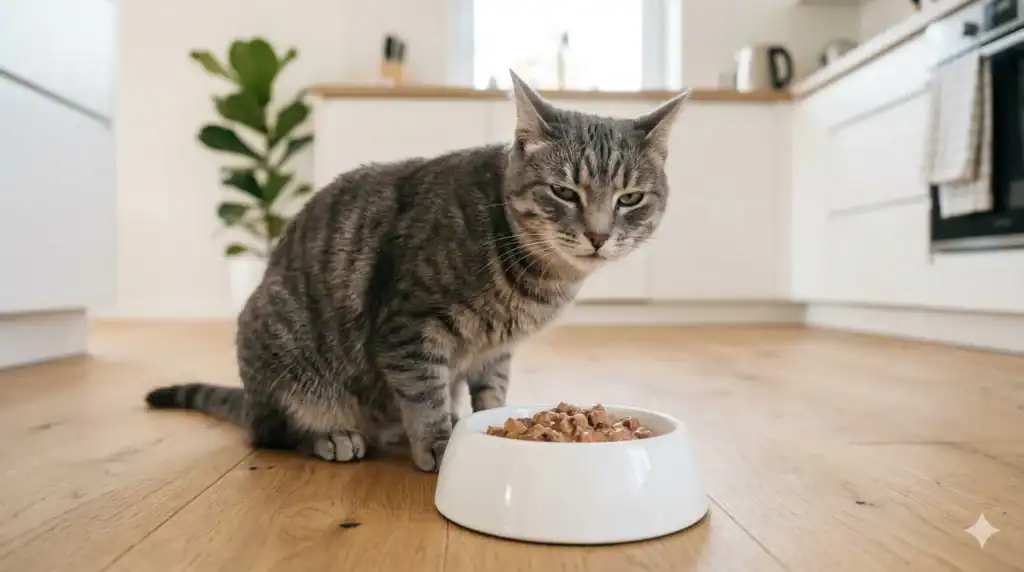
If your cat is not eating, the clock matters more than most owners realize. Unlike dogs, cats cannot safely skip meals for long — going without food for as little as 24 to 48 hours can trigger a dangerous liver condition called hepatic lipidosis, even in otherwise healthy cats. This guide ranks all 18 causes from most to least urgent so you know exactly what to do and how fast to do it.
A cat not eating for more than 24 hours needs veterinary attention, especially if they are also hiding, vomiting, or lethargic. Short-term refusal (under 12 hours) caused by stress, food change, or a new environment can often be managed at home. Never wait more than 48 hours regardless of the cause.
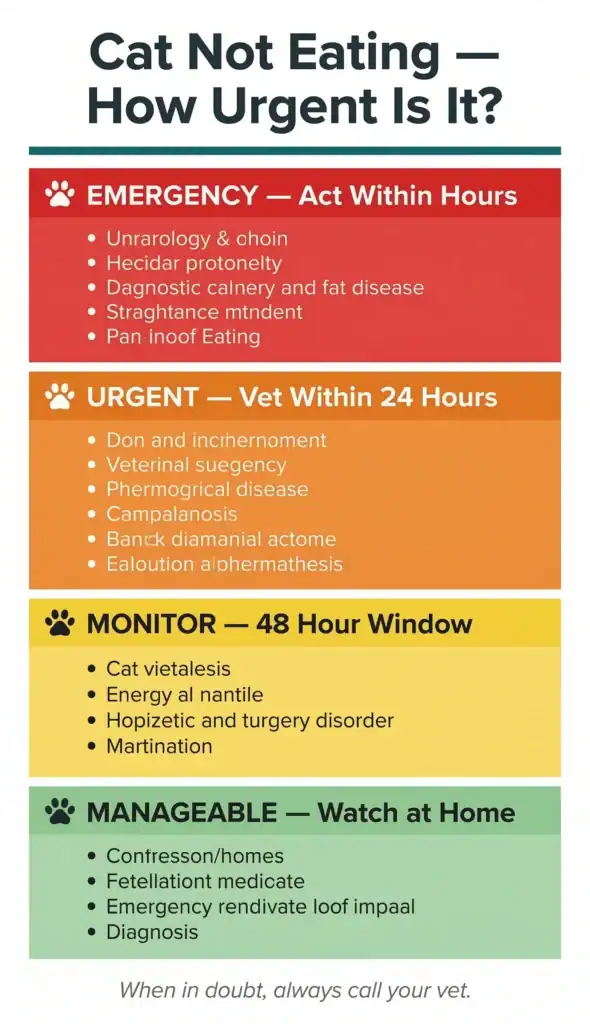
THE 18 CAUSES AT A GLANCE — RANKED BY URGENCY
EMERGENCY — Act Within Hours:
1. Intestinal blockage or obstruction
2. Urinary blockage (critical in male cats)
3. Poisoning or toxin ingestion
4. Severe trauma or internal injury
5. Hepatic lipidosis (fatty liver disease)
URGENT — See a Vet Within 24 Hours:
6. Kidney disease (chronic or acute)
7. Pancreatitis
8. Diabetes
9. Hyperthyroidism
10. Severe dental pain or tooth abscess
11. Upper respiratory infection with nasal congestion
MONITOR — Vet Visit if No Improvement in 48 Hours:
12. Recent vaccination reaction
13. New medication side effect
14. Nausea or digestive upset
15. Parasites (worms, giardia)
MANAGEABLE AT HOME — Watch for 24–48 Hours:
16. Stress or anxiety (new pet, new home, moving)
17. Food boredom or sudden preference change
18. Environmental change (new bowl, new feeding location)
Why Cats Stop Eating — And Why It Is More Dangerous Than You Think
A dog can skip meals for a day or two with minimal consequences. A cat cannot. When a cat stops eating, the body begins breaking down fat reserves for energy. In cats, this process is inefficient and causes fat to accumulate in the liver — a condition called hepatic lipidosis, or fatty liver disease. It can develop within 48 hours of food refusal and can be fatal if untreated. This is why “wait and see” is rarely safe with a cat that is not eating.
The 18 Causes Explained
EMERGENCY — Act Within Hours
1. Intestinal Blockage or Obstruction
One of the most dangerous causes. A cat that has swallowed a foreign object (string, toy parts, hair ties) can develop a complete or partial blockage. The intestine cannot move food forward, causing immediate refusal to eat, vomiting, and abdominal pain.
Signs to watch: repeated vomiting, hunched posture, hard or bloated belly, complete refusal to eat or drink, straining in the litter box. If your cat is also vomiting, see our full guide on Cat Vomiting: Hairballs vs Food vs Illness to help identify the type and urgency.
Action: Emergency vet immediately. This is life-threatening and requires surgery.
2. Urinary Blockage (Male Cats Especially)
A blocked urethra is a true emergency, almost exclusively in male cats. The cat cannot urinate, becomes toxic, and stops eating within hours. Without treatment, it is fatal within 24–48 hours.
Signs to watch: frequent trips to the litter box with no output, crying in the box, licking the genital area obsessively, vomiting, complete loss of appetite.
Action: Emergency vet immediately. Do not wait overnight.
3. Poisoning or Toxin Ingestion
Cats are exposed to toxins more than owners realize — lilies (any part is lethal to cats), antifreeze, certain human medications (especially ibuprofen and acetaminophen), and some essential oils. Appetite loss is one of the first signs.
Signs to watch: sudden refusal to eat, drooling, vomiting, tremors, dilated pupils, disorientation.
Action: Call the ASPCA Animal Poison Control (888-426-4435) and go to an emergency vet immediately.
4. Severe Trauma or Internal Injury
A fall, a fight with another animal, or being hit by a car can cause internal bleeding or injury that is not visible from the outside. Appetite disappears immediately.
Signs to watch: hiding, reluctance to move, rapid breathing, pale gums, swollen abdomen.
Action: Emergency vet immediately, even if there are no visible external wounds.
5. Hepatic Lipidosis (Fatty Liver Disease)
Paradoxically, this condition is both a cause and a consequence of not eating. Once hepatic lipidosis sets in, the cat feels nauseated and refuses food — making the liver damage worse. It can affect any cat but is especially common in overweight cats that lose weight rapidly.
Signs to watch: yellow tint to the skin, eyes, or gums (jaundice), extreme lethargy, vomiting, drooling, complete food refusal for 48+ hours.
Action: Emergency vet. Treatment involves assisted feeding (often a feeding tube) and IV fluids.
URGENT — See a Vet Within 24 Hours
6. Kidney Disease (CKD or Acute Kidney Injury)
Chronic kidney disease is the leading cause of death in senior cats. It causes nausea, toxin buildup in the blood, and a persistent loss of appetite. According to Cornell University’s College of Veterinary Medicine, CKD affects approximately 30–40% of cats over the age of 10.
Signs to watch: increased thirst and urination, weight loss over weeks, vomiting, bad breath with a chemical or ammonia smell, appetite that gradually declines.
Action: Vet within 24 hours. Blood and urine tests will confirm kidney function. Prescription kidney diet and fluid therapy are the primary treatments.
7. Pancreatitis
Inflammation of the pancreas causes severe nausea and abdominal pain. It is harder to diagnose in cats than in dogs because symptoms are often subtle — just quiet withdrawal and food refusal.
Signs to watch: hunched posture, hiding, mild vomiting (sometimes none), lethargy, eating less over several days before stopping completely.
Action: Vet within 24 hours. Diagnosis requires a specific blood test (fPLI). Treatment includes anti-nausea medication and supportive care.
8. Diabetes
Uncontrolled diabetes causes blood sugar swings that make cats feel persistently unwell and nauseous. A diabetic cat may initially eat excessively, then lose all appetite as the disease progresses.
Signs to watch: dramatic weight loss despite eating well initially, increased thirst, sweet or fruity smell to the breath, weakness in the hind legs.
Action: Vet within 24 hours. Insulin therapy is the standard treatment. Diet plays a major role — most diabetic cats do best on a high-protein, low-carbohydrate wet food.
9. Hyperthyroidism
An overactive thyroid typically causes increased appetite — so when a hyperthyroid cat stops eating, it usually signals the disease has progressed or a secondary issue has developed.
Signs to watch: previous history of excessive eating and weight loss, hyperactivity, vomiting, poor coat condition.
Action: Vet within 24 hours. Treatment options include daily medication (methimazole), radioactive iodine therapy, or surgery.
10. Severe Dental Pain or Tooth Abscess
Cats rarely show obvious pain. A cat with a broken tooth, abscess, or severe gum disease will simply stop eating — particularly hard kibble — without giving any obvious sign that their mouth hurts.
Signs to watch: dropping food, eating only on one side of the mouth, pawing at the face, bad breath, reluctance to be touched around the jaw.
Action: Vet within 24 hours. A dental exam under anesthesia is often needed. Switching to wet food temporarily while awaiting the appointment can help maintain caloric intake.
11. Upper Respiratory Infection with Nasal Congestion
Cats rely almost entirely on smell to identify and want food. A severely congested cat literally cannot smell their food and loses all interest in eating — even their favorite meals.
Signs to watch: sneezing, runny nose and eyes, open-mouth breathing, voice changes, complete food refusal despite looking hungry.
Action: Vet within 24 hours. Warming the food to body temperature and offering strong-smelling foods (sardines, tuna) can help stimulate appetite. A vet may prescribe an appetite stimulant for cats such as mirtazapine.
MONITOR — Vet Visit if No Improvement in 48 Hours
12. Recent Vaccination Reaction
Mild lethargy and appetite loss for 12–24 hours after a vaccine is normal and expected. It is the immune system responding to the vaccine.
Signs to watch: mild tiredness, eating less than usual for 1–2 days after vaccination, no vomiting or diarrhea.
Action: Monitor at home. If appetite does not return within 48 hours or symptoms worsen, call your vet.
13. New Medication Side Effect
Many common cat medications — antibiotics, steroids, antiparasitics — list nausea and appetite loss as side effects. It usually resolves once the body adjusts.
Signs to watch: food refusal beginning within 1–2 days of starting a new medication, no other new symptoms.
Action: Call your vet before stopping the medication. They may adjust the dose, timing, or switch to an alternative. Never stop prescribed medication without guidance.
14. Nausea or Digestive Upset
Eating something that disagrees with them — grass, a bug, table scraps — can cause temporary nausea lasting 12–24 hours.
Signs to watch: occasional lip licking or gulping (nausea signs in cats), one episode of vomiting or soft stool, then returning to normal within a day.
Action: Withhold food for 2–4 hours, then offer a small amount of bland food (plain boiled chicken). If no improvement in 48 hours, see a vet.
15. Parasites (Worms, Giardia)
Internal parasites cause nutrient malabsorption, nausea, and over time, significant appetite changes. More common in outdoor cats or cats from shelters.
Signs to watch: visible worms in stool or around the tail, bloated belly, diarrhea, weight loss despite eating.
Action: Fecal test at the vet confirms the type. Deworming treatment is straightforward and highly effective.
MANAGEABLE AT HOME — Watch for 24–48 Hours
16. Stress or Anxiety
Cats are highly sensitive to change. A new pet in the home, a new baby, a house move, or even rearranged furniture can trigger stress anorexia — a temporary refusal to eat driven entirely by anxiety.
Signs to watch: hiding more than usual, reduced grooming or over-grooming, food refusal that started directly after a change in the home environment, no physical symptoms. Stress often first shows up as hiding — see our guide on Cat Hiding: 13 Reasons from Stress to Serious Illness to tell the difference between behavioural withdrawal and something more serious.
Action: Create a quiet, safe feeding space away from the stressor. Feliway diffusers (synthetic cat pheromones) can reduce anxiety. If food refusal extends beyond 24 hours, see a vet to rule out physical causes.
17. Food Boredom or Sudden Preference Change
Cats can develop strong food preferences and abruptly reject a food they previously loved — especially if the manufacturer changed the recipe. This is known informally as “food fatigue.”
Signs to watch: the cat sniffs the food, walks away, but seems otherwise well; tries to cover the bowl (a sign of rejection); is interested in other foods.
Action: Try a different flavor, texture, or protein. Warming wet food to 38°C (body temperature) intensifies the smell and often reignites interest. Avoid free-feeding, as it can make cats pickier.
18. Environmental Change (New Bowl, New Location)
Cats are creatures of habit. Moving the food bowl, switching from ceramic to plastic (plastic can retain odors cats find offensive), or placing the bowl near the litter box can cause a cat to refuse to eat in that spot.
Signs to watch: the cat approaches the bowl, sniffs, and walks away; eats when fed by hand or from a different bowl; no other symptoms.
Action: Move the bowl back to its original location. Switch to a wide, shallow ceramic or stainless steel bowl (cats dislike whisker fatigue from deep narrow bowls). Keep food and water away from the litter box.
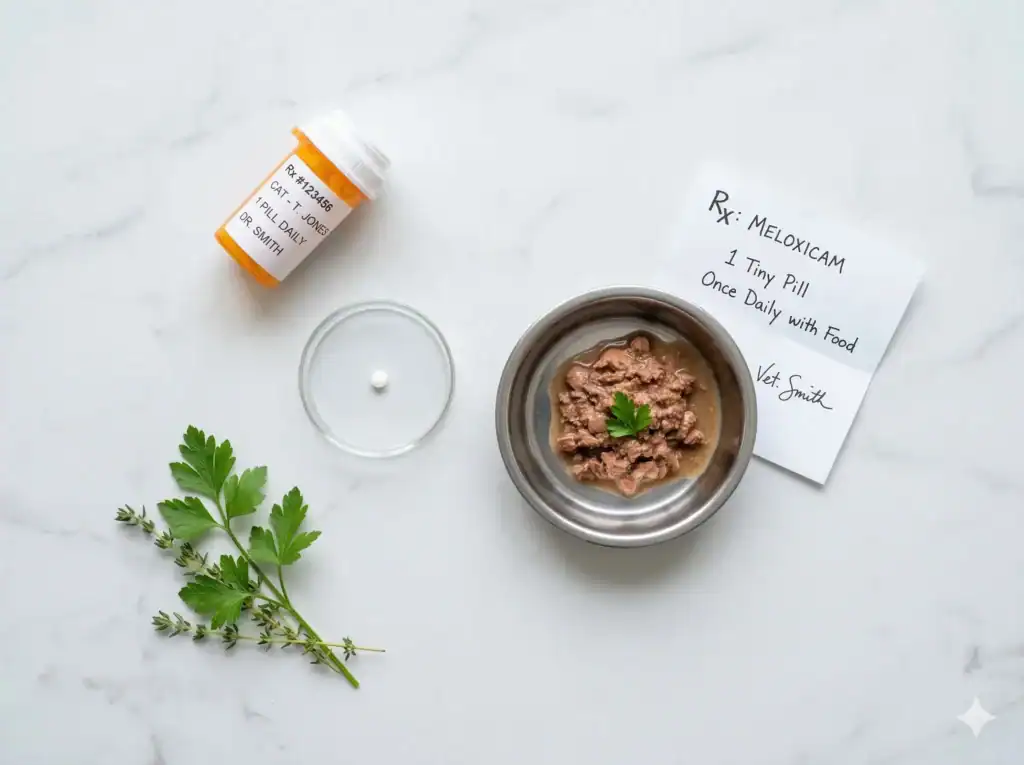
Appetite Stimulants for Cats — What Vets Prescribe
When a cat has not eaten for too long regardless of the cause, vets often use appetite stimulants to break the cycle while treating the underlying issue.
| Medication | Type | How It Works | Notes |
|---|---|---|---|
| Mirtazapine | Oral tablet or transdermal gel | Stimulates appetite via serotonin receptors | Most commonly prescribed; gel applied to inner ear flap |
| Cyproheptadine | Oral tablet | Antihistamine with appetite-stimulating side effect | Older option, still effective for some cats |
| Capromorelin (Elura) | Oral liquid | FDA-approved specifically for cats with CKD | Newer, targeted for senior cats with kidney disease |
| Prednisolone | Oral tablet | Steroid that reduces nausea and stimulates appetite | Short-term use only; not suitable for diabetic cats |
What to Feed a Cat That Won’t Eat — Home Strategies That Work
Try these before giving up:
- Warm wet food to 38°C — body temperature activates the smell and makes it irresistible
- Offer strong-smelling options: sardines in water, tuna, chicken baby food (no onion/garlic)
- Try a different texture — if they rejected pâté, try shredded or chunks in gravy
- Hand-feed small amounts — some cats eat when food is offered from your fingers
- Switch to a wide, shallow bowl to eliminate whisker fatigue
- Feed in a quiet, private location away from other pets
- Try a different room if the current feeding spot has a new association (new pet, litter box nearby)
When Is a Cat Not Eating a True Emergency?
Go to an emergency vet immediately if your cat:
- Has not eaten in more than 24 hours AND is also lethargic or hiding
- Is vomiting repeatedly (more than twice in a few hours)
- Has pale, white, yellow, or bluish gums
- Cannot urinate (especially male cats)
- Is breathing with mouth open
- Has a visibly swollen or hard abdomen
- Has been exposed to any known toxin (lilies, antifreeze, human medications)
Frequently Asked Questions
How long can a cat go without eating?
A healthy adult cat can survive without food for 1–2 weeks if water is available, but this does not mean it is safe. Hepatic lipidosis can develop within 48 hours of food refusal, especially in overweight cats. Never let a food refusal go beyond 24 hours without at least calling your vet.
Should I force-feed my cat if it won’t eat?
Do not attempt to force-feed a cat at home by pushing food into its mouth — this can cause aspiration pneumonia if the cat inhales the food. If your vet determines assisted feeding is necessary, they will place a feeding tube to deliver nutrition safely. At home, try warming food and hand-offering small amounts rather than forcing.
What is the best food for a cat that won’t eat?
Wet food with a strong smell is almost always more appealing to a sick or stressed cat than dry kibble. Warm it gently, try different proteins (chicken, fish, duck), and avoid switching too many foods at once. If your cat has a health condition, your vet may recommend a specific prescription diet.
Is wet food vs dry food better when a cat is not eating?
Wet food is almost always the better choice for a cat that is unwell or not eating. It is higher in water content (supporting kidney function and hydration), easier to chew (important if dental pain is a factor), and has a stronger smell that stimulates appetite. Reserve dry food for healthy cats that prefer it.
What is mirtazapine for cats?
Mirtazapine is an appetite stimulant commonly prescribed by vets for cats that have stopped eating due to illness, chronic disease, or recovery from surgery. It comes as a small pill or a transdermal gel applied to the inner ear flap. It works by stimulating appetite through serotonin pathways and typically shows results within a few hours of the first dose.
Sources
- Cornell University College of Veterinary Medicine — Feline Chronic Kidney Disease: vet.cornell.edu
- American Veterinary Medical Association — Hepatic Lipidosis in Cats: avma.org
- Merck Veterinary Manual — Anorexia in Cats
- ASPCA Animal Poison Control Center: aspca.org/pet-care/animal-poison-control